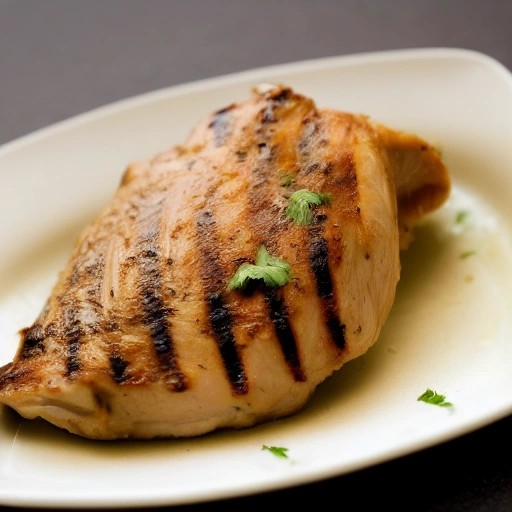

Spicy Korean BBQ Grilled Chicken Breast (Dak Gogi) – Bold Sweet Heat Paste
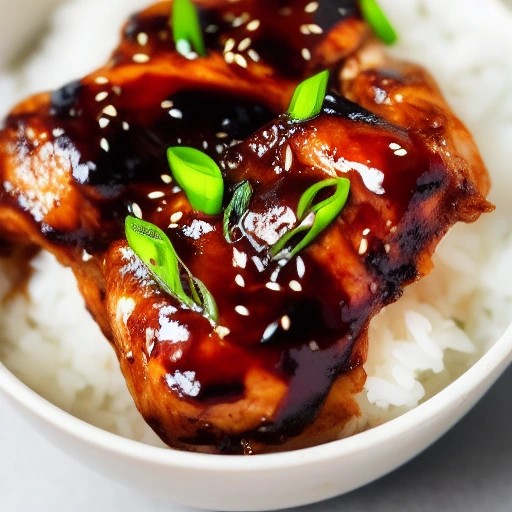
Fire up the grill for a taste of Korea with this Spicy Korean BBQ Grilled Chicken Breast (Dak Gogi). The bold, red paste—a perfect balance of sweet, savory, and spicy—caramelizes on the grill, creating a sticky, glossy glaze that’s absolutely irresistible. This isn’t just grilled chicken; it’s a flavor-packed experience that brings the vibrant spirit of Korean barbecue right to your backyard. The juicy, tender meat and complex marinade make it a guaranteed crowd-pleaser.
This BBQ recipe is all about bold flavors and simple techniques. The magic lies in the gochujang-based marinade, a Korean chili paste that delivers a deep, umami-rich heat . This paste is combined with soy sauce, sesame oil, and a touch of sweetness to create a powerful flavor punch. Whether you’re using a charcoal grill for authentic smoky notes or a gas grill for convenience, this recipe is straightforward and rewarding. Perfect for a fun weeknight dinner or an impressive meal for guests, these Korean BBQ chicken breasts are a fantastic way to explore international flavors on the grill.
Recipe Summary
Prep Time: 15 mins
Cook Time: 15 mins
Total Time: 30 mins (plus 1-4 hours marinating)
Servings: 4
Difficulty: Easy
Ingredients
- 4 boneless, skinless chicken breasts (about 6-8 oz each)
- 2 tbsp vegetable oil
- 1/4 cup gochujang (Korean chili paste)
- 1/4 cup soy sauce
- 2 tbsp brown sugar
- 1 tbsp sesame oil
- 1 tbsp rice vinegar
- 2 cloves garlic, minced
- 1 tbsp fresh ginger, grated
- 1 tsp red pepper flakes (optional, for extra heat)
- Toasted sesame seeds
- Green onions, thinly sliced
- Steamed rice
- Lettuce leaves for wrapping
For the Spicy Korean BBQ Marinade:
For Serving:
Step-by-Step Instructions
- Make the Marinade: In a medium bowl, whisk together the gochujang, soy sauce, brown sugar, sesame oil, rice vinegar, garlic, ginger, and red pepper flakes (if using) until smooth .
- Prep and Marinate the Chicken: Pat the chicken breasts completely dry with paper towels. For even cooking, you can gently pound them to an even ½-inch thickness . Place the chicken in a large bowl or zip-top bag. Pour the marinade over the chicken, ensuring each piece is well coated. Reserve about ¼ cup of the marinade in a separate small bowl for basting later . Cover and refrigerate for at least 1 hour, or up to 4 hours for deeper flavor .
- Fire Up the Grill: Preheat your grill to medium-high heat (around 400°F). For a charcoal grill, set up a two-zone fire. For a gas grill, preheat all burners. Clean and oil the grates to prevent sticking.
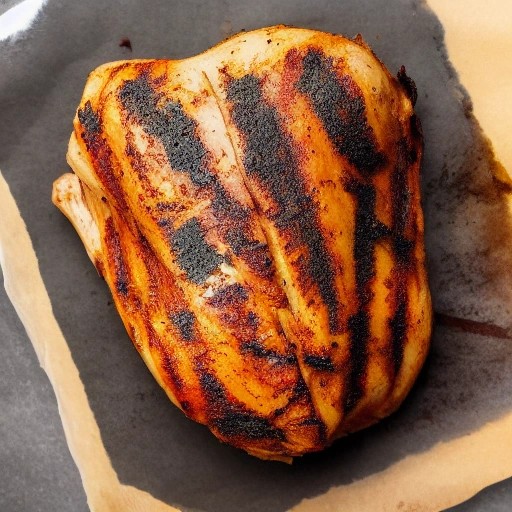
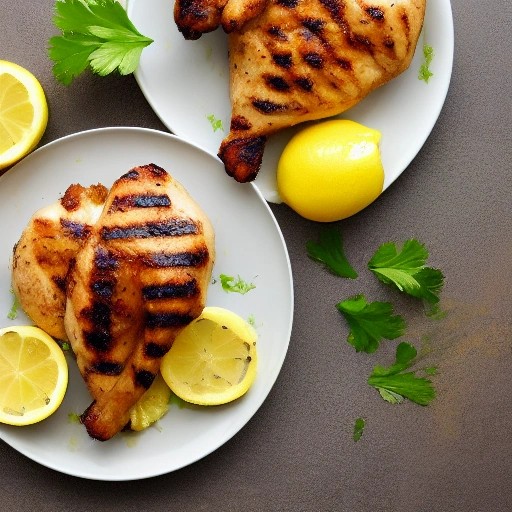
- Grill the Chicken: Remove the chicken from the marinade, letting any excess drip off. Place the chicken breasts on the grill. Cook for 5-6 minutes per side, until you get nice, golden-brown grill marks and the chicken is cooked through . During the last few minutes of cooking, brush the chicken with the reserved marinade to build up that sticky, flavorful glaze . The chicken is done when it reaches an internal temperature of 165°F.
- Rest and Serve: Remove the chicken from the grill and let it rest on a cutting board for 5-10 minutes. This allows the juices to redistribute. Slice the chicken breasts and serve over steamed rice, or as part of a lettuce wrap with fresh veggies. Garnish with toasted sesame seeds and sliced green onions.
Tips for Korean BBQ Chicken Perfection
- Gochujang is Key: Gochujang is the soul of this dish, providing a unique sweet, savory, and spicy flavor that you can’t replicate . It’s widely available in the international aisle of most supermarkets.
- Don’t Skip the Rest: Marinating the chicken for at least an hour is crucial for the flavors to penetrate the meat. Overnight is even better !
- Watch the Sugar: The sugar in the marinade can burn quickly. Apply the reserved marinade for basting only during the final minutes of grilling to prevent burning and achieve a beautiful caramelized finish .
- Pound for Even Cooking: If your chicken breasts are thick, pounding them to a uniform thickness ensures they cook evenly and stay juicy .
- Serve it the Korean Way: For an authentic experience, serve the chicken with steamed rice, lettuce leaves, and a side of kimchi. The lettuce wraps, known as “ssam,” are a fun and delicious way to enjoy the meal .
Delicious Variations
- Smoked Korean Chicken: Smoke the chicken on a pellet grill at 225°F for about 45 minutes, then finish over high heat to crisp up the glaze.
- Less Spicy: Reduce or omit the red pepper flakes. For a milder, more kid-friendly version, you can also reduce the gochujang to 2 tablespoons and add a little extra brown sugar.
- Chicken Thighs: Boneless, skinless chicken thighs are a great substitute for breasts and are more forgiving on the grill, staying extra juicy .
- Korean BBQ Chicken Bowls: Serve the sliced chicken over a bed of rice with shredded carrots, cucumbers, and a drizzle of spicy mayo.
Storage and Reheating Instructions
Storage: Store leftover chicken in an airtight container in the refrigerator for up to 3-4 days.
Reheating: The best way to reheat this chicken is on the grill or in a skillet over medium heat for a few minutes per side to restore the crispy, caramelized exterior. You can also use a toaster oven or air fryer. Avoid microwaving, as it can make the chicken tough and the glaze gummy.
Freezing: The cooked chicken can be frozen for up to 2 months. Thaw in the refrigerator overnight before reheating.
Frequently Asked Questions (FAQ)
What is gochujang and where can I find it?
Gochujang is a Korean fermented chili paste that’s sweet, savory, and spicy . You can find it in the international aisle of most major supermarkets or at Asian grocery stores.
Can I use this marinade on other meats?
Absolutely! This marinade is fantastic on grilled chicken thighs, pork, beef, or even salmon .
Can I make this recipe without a grill?
Yes! You can cook the chicken in a cast-iron skillet or grill pan on the stovetop over medium-high heat . You can also bake it in the oven at 375°F for about 20-25 minutes .
What should I serve with Korean BBQ chicken?
It’s delicious served over steamed rice, in lettuce wraps with fresh herbs and a dipping sauce (ssamjang), or as part of a rice bowl with pickled vegetables .