Greek Lemon Oregano Grilled Chicken Wings – Med Style Garlic and Herb Glaze
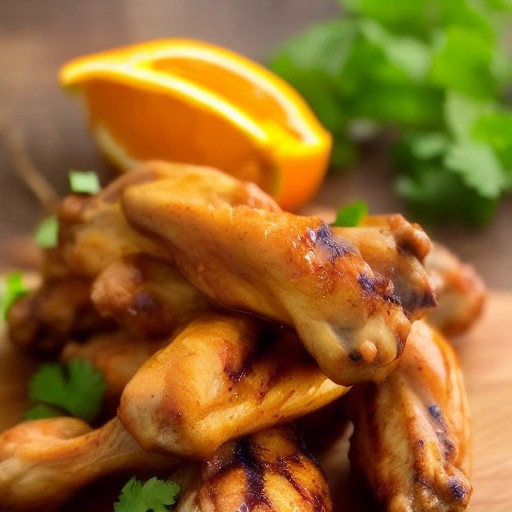
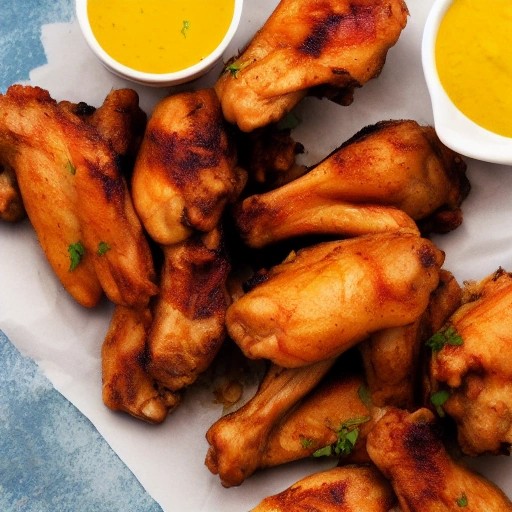
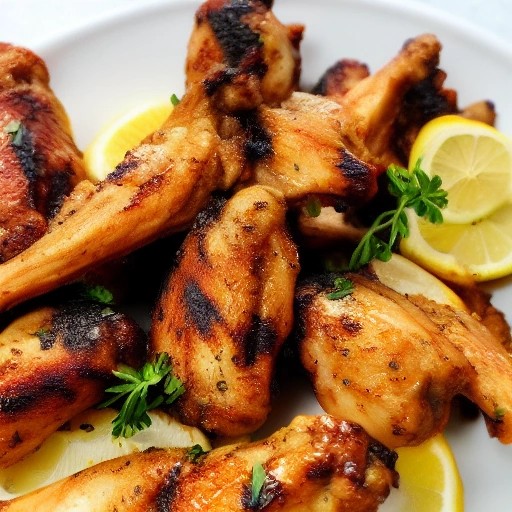
Transport your taste buds to the sunny shores of the Mediterranean with these Greek Lemon Oregano Grilled Chicken Wings. Bright, zesty lemon pairs with earthy oregano and aromatic garlic to create a vibrant, herbaceous glaze that’s both refreshing and deeply flavorful. Grilled to golden perfection with a beautiful char, these wings are incredibly juicy on the inside with a crispy, flavor-packed skin that captures the essence of Greek cuisine in every bite.
This Mediterranean-inspired BBQ recipe is perfect for summer cookouts, weeknight dinners, or any time you crave something light yet satisfying. The simple marinade lets the natural flavor of the chicken shine while adding that unmistakable Greek flair. Whether you’re using a charcoal grill for authentic smoky notes or a gas grill for convenience, these wings come together quickly and easily. Serve them with tzatziki sauce and a fresh Greek salad for the ultimate Mediterranean feast.
Recipe Summary
Prep Time: 15 mins
Cook Time: 25 mins
Total Time: 40 mins (plus 2 hours marinating)
Servings: 4-6
Difficulty: Easy
Ingredients
- 2.5 lbs chicken wings (drums and flats)
- 1/4 cup olive oil
- Zest of 2 lemons
- 1/4 cup fresh lemon juice (about 2-3 lemons)
- 6 cloves garlic, minced
- 2 tbsp dried oregano
- 1 tbsp fresh thyme leaves (or 1 tsp dried)
- 1 tsp salt
- 1/2 tsp black pepper
- 1/4 cup Greek yogurt (for marinade)
- 2 tbsp butter (for finishing glaze)
- Fresh lemon wedges
- Fresh oregano or parsley, chopped
- Tzatziki sauce
- Feta cheese, crumbled (optional)
For the Greek Marinade & Glaze:
For Serving:
Step-by-Step Instructions
- Make the Marinade: In a large bowl, whisk together olive oil, lemon zest, lemon juice, minced garlic, dried oregano, thyme, salt, and pepper. Stir in the Greek yogurt until smooth. The yogurt helps tenderize the meat and gives the wings a beautiful tangy flavor.
- Marinate the Wings: Pat the chicken wings completely dry with paper towels. Add them to the bowl with the marinade and toss thoroughly until every piece is evenly coated. Cover and refrigerate for at least 2 hours, or up to 8 hours for deeper flavor. Don’t marinate longer than 8 hours, as the lemon juice can start to break down the meat.
- Fire Up the Grill: Preheat your grill to medium-high heat (around 400°F). For a charcoal grill, set up a two-zone fire with coals on one side for direct heat and a cooler indirect zone on the other. For a gas grill, preheat all burners, then turn one off to create an indirect cooking area. Clean and oil the grates.
- Grill the Wings: Remove wings from the marinade, letting any excess drip off. Place them skin-side down on the direct heat side of the grill. Cook for 5-7 minutes per side until you get nice, dark char marks and the skin starts to crisp. Move the wings to the indirect heat side, close the lid, and cook for another 10-15 minutes. The wings are done when they reach an internal temperature of 175°F-185°F.
- Make the Finishing Glaze: While the wings are grilling, strain about 1/4 cup of the marinade into a small saucepan (discard the solids). Add the butter and warm over low heat until melted and combined. This will be your finishing glaze.
- Glaze and Serve: During the last 5 minutes of grilling, brush the wings with the warm butter-glaze mixture. Remove from the grill and let them rest for 5 minutes. Transfer to a serving platter, garnish with fresh lemon wedges, chopped oregano or parsley, and crumbled feta cheese if desired. Serve with tzatziki sauce on the side.
Tips for Greek Lemon Wing Perfection
- Use Fresh Herbs and Citrus: Fresh lemon juice and zest make a huge difference in this recipe. The bottled stuff just doesn’t have the same bright, vibrant flavor. Roll the lemons on the counter before juicing to get the most juice out of them.
- Don’t Over-Marinate: The acidity in lemon juice can start to cook the chicken if left too long, resulting in a mushy texture. Stick to 2-8 hours for the best results. The Greek yogurt helps tenderize without breaking down the meat too much.
- Save Some Marinade: Always reserve some of the marinade before adding it to the raw chicken for your finishing glaze. This prevents cross-contamination and gives you a fresh, flavorful sauce for brushing on the cooked wings.
- Get That Greek Char: The slightly charred, smoky flavor from the grill is what makes these wings truly Mediterranean. Don’t be afraid of a little blackening—it adds incredible depth to the lemon and oregano.
- Serve with Tzatziki: The cool, creamy tzatziki sauce is the perfect counterpoint to the bright, zesty wings. It’s a match made in Greek heaven!
Delicious Variations
- Grilled Lemon Herb Wings: Add fresh dill and mint to the marinade for an even more aromatic, herbaceous flavor. The combination of oregano, dill, and mint is classic in Greek cuisine.
- Garlic Lover’s Wings: Double the garlic in the marinade and add roasted garlic cloves to the finishing glaze. For garlic lovers, this version is absolutely irresistible.
- Spicy Greek Wings: Add 1 teaspoon of red pepper flakes or a chopped fresh chili to the marinade for a little heat that balances the bright lemon and herbs.
- Smoked Greek Wings: Smoke the wings on a pellet grill or smoker at 225°F for 1.5 hours before finishing on a hot grill with the glaze. Use olive wood or fruit wood for a subtle, Mediterranean-style smoke flavor.
- Honey Lemon Wings: Add 2 tablespoons of honey to the marinade for a touch of sweetness that balances the tangy lemon. The honey also helps with caramelization on the grill.
Storage and Reheating Instructions
Storage: Store leftover wings in an airtight container in the refrigerator for up to 3-4 days. Keep them in a single layer to prevent sticking.
Reheating: The best way to reheat these wings is on the grill or in the oven to restore that crispy skin and bright flavor. Preheat your oven to 375°F and bake for 10-12 minutes, or reheat on the grill over medium heat for 5-7 minutes per side. Squeeze fresh lemon juice over them after reheating for a flavor boost. Avoid microwaving, as it will make the skin soft and rubbery.
Freezing: These wings freeze well. Place cooled wings in a freezer-safe bag and freeze for up to 2 months. Thaw in the refrigerator overnight before reheating. Add fresh lemon juice and herbs after reheating for the best flavor.
Frequently Asked Questions (FAQ)
How long do I grill chicken wings on a charcoal grill for this recipe?
On a charcoal grill with a two-zone setup, wings typically take about 20-25 minutes total. You’ll sear them over direct heat for 5-7 minutes per side, then move them to indirect heat for another 10-15 minutes. The key is maintaining a temperature of around 400°F and using an instant-read thermometer to check for doneness—175°F-185°F is the sweet spot for tender wings.
What makes this Greek-style marinade different from regular lemon pepper?
The Greek marinade is distinguished by the combination of oregano, garlic, olive oil, and lemon, along with the addition of Greek yogurt, which adds tanginess and helps tenderize the meat. It’s more herbaceous and aromatic than simple lemon pepper, with a brighter, more complex flavor profile that captures the essence of Mediterranean cuisine.
Can I use dried oregano instead of fresh?
Yes, dried oregano works wonderfully in this recipe and is actually more traditional in Greek cooking. Use about 1 tablespoon of dried oregano, as called for in the recipe. If you have fresh oregano, you can use about 3 tablespoons of chopped fresh leaves as a substitute.
What sides go well with Greek lemon oregano wings?
These wings pair beautifully with a variety of Mediterranean sides. Try them with tzatziki sauce, Greek salad, grilled pita bread, hummus, roasted vegetables, or lemon-roasted potatoes. A crisp Greek white wine or a cold beer is the perfect drink pairing.
Can I use this marinade on other cuts of chicken?
Absolutely! This Greek lemon oregano marinade is fantastic on grilled chicken breasts, thighs, or even a whole spatchcocked chicken. It’s also delicious on grilled lamb chops, pork, or fish. The bright, herbaceous flavors complement so many different proteins.