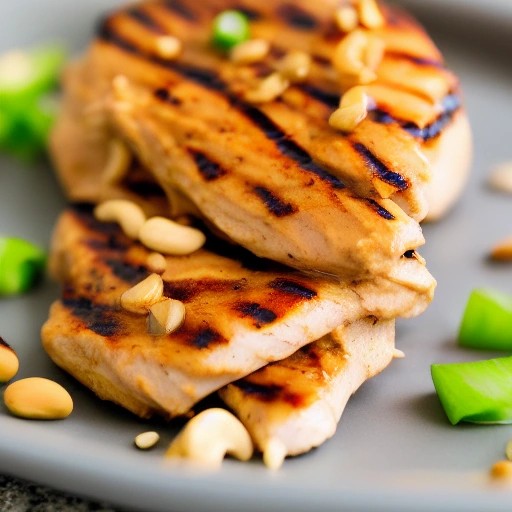
Thai Peanut Grilled Chicken Breast Strips – Nutty, Savory & Rich Exotic Sauce
Transport your taste buds to the vibrant streets of Thailand with these Thai Peanut Grilled Chicken Breast Strips. The rich, nutty peanut sauce is the star of this dish—creamy, savory, and perfectly balanced with a hint of sweetness and spice. Grilled to juicy perfection with a beautiful char, these chicken strips are then tossed or drizzled with the exotic sauce for a truly unforgettable meal that’s both comforting and exciting.
This easy BBQ recipe is perfect for weeknight dinners, meal prep, or any time you crave bold, international flavors. The peanut sauce does double duty as a marinade and a finishing sauce, infusing the chicken with incredible flavor while keeping it incredibly moist. Whether you’re using a charcoal grill for authentic smoky notes or a gas grill for convenience, these chicken strips cook up quickly and evenly. Serve them over rice, in lettuce wraps, or on their own with extra sauce for dipping.
Recipe Summary
Prep Time: 15 mins
Cook Time: 12 mins
Total Time: 27 mins (plus 1 hour marinating)
Servings: 4
Difficulty: Easy
Ingredients
- 1.5 lbs boneless, skinless chicken breasts (about 2 large breasts)
- 2 tbsp vegetable oil
- 1 tsp salt
- 1/2 tsp black pepper
- 1/2 cup creamy peanut butter (natural, unsweetened)
- 1/4 cup coconut milk (full-fat for richness)
- 2 tbsp soy sauce (low sodium recommended)
- 2 tbsp honey or brown sugar
- 1 tbsp fresh lime juice
- 1 tbsp rice vinegar (or apple cider vinegar)
- 1 tbsp sesame oil
- 2 cloves garlic, minced
- 1 tbsp fresh ginger, grated
- 1/2 tsp red pepper flakes (or 1 tsp Sriracha, optional for heat)
- Warm water (to thin the sauce, as needed)
- Fresh cilantro, chopped
- Chopped peanuts for garnish
- Lime wedges
- Steamed rice or lettuce wraps
For the Thai Peanut Sauce:
For Serving:
Step-by-Step Instructions
- Make the Peanut Sauce: In a medium bowl, whisk together peanut butter, coconut milk, soy sauce, honey, lime juice, rice vinegar, sesame oil, garlic, ginger, and red pepper flakes (if using). The sauce should be smooth and pourable. If it’s too thick, add warm water 1 tablespoon at a time until it reaches your desired consistency. Reserve about 1/3 cup of the sauce for serving and use the rest for marinating.
- Prep and Marinate the Chicken: Slice the chicken breasts lengthwise into strips about 1 inch wide. Pat them dry with paper towels. In a large bowl, combine the chicken strips with vegetable oil, salt, and pepper. Pour about 1/3 cup of the peanut sauce over the chicken and toss to coat evenly. Cover and refrigerate for at least 1 hour, or up to 4 hours.
- Fire Up the Grill: Preheat your grill to medium-high heat (around 400°F). For a charcoal grill, set up a two-zone fire with coals on one side for direct heat and a cooler indirect zone on the other. For a gas grill, preheat all burners, then turn one off to create an indirect cooking area. Clean and oil the grates to prevent sticking.
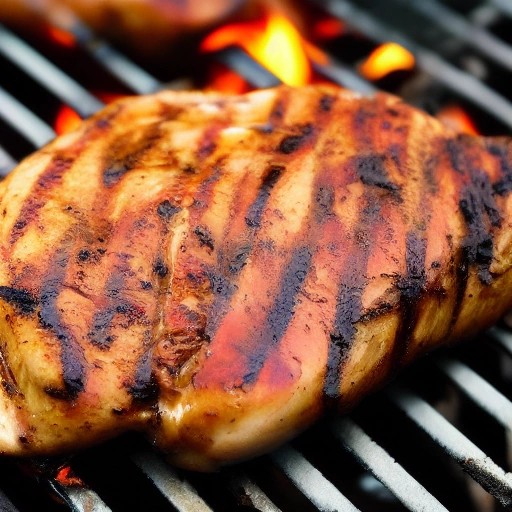
- Grill the Chicken Strips: Remove the chicken strips from the marinade, letting any excess drip off. Place them on the direct heat side of the grill. Cook for 3-4 minutes per side until you get nice grill marks and the chicken is cooked through. The strips are done when they reach an internal temperature of 165°F. Be careful not to overcook, as the strips are thin and cook quickly.
- Rest and Serve: Remove the chicken from the grill and let it rest for 5 minutes. Transfer to a serving platter and drizzle with the reserved fresh peanut sauce. Garnish with chopped fresh cilantro, crushed peanuts, and lime wedges. Serve immediately with steamed rice, in lettuce wraps, or on their own.
Tips for Thai Peanut Chicken Perfection
- Use Natural Peanut Butter: Natural peanut butter without added sugar or oil gives you the best control over the flavor. You can also use crunchy peanut butter for extra texture.
- Don’t Overcook the Chicken: Chicken breast strips are thin and cook very quickly. Keep a close eye on them and use an instant-read thermometer to check for doneness—165°F is the target. Overcooking will make them dry and tough.
- Thin the Sauce Properly: Peanut sauce thickens as it sits. Add warm water a little at a time to achieve the perfect consistency—it should be pourable but still thick enough to coat the chicken.
- Reserve Some Sauce: Always set aside some sauce before using it as a marinade. This prevents cross-contamination and gives you a fresh, vibrant sauce for drizzling over the finished chicken.
- Make it a Meal: These chicken strips are incredibly versatile. Serve them over jasmine rice with fresh vegetables, in lettuce wraps with crunchy veggies, or as a protein topping for a fresh Thai salad.
Delicious Variations
- Spicy Thai Peanut Chicken: Double the red pepper flakes or add 1-2 chopped Thai bird’s eye chilies to the sauce for a serious heat kick that’s authentic to Thai cuisine.
- Smoked Peanut Chicken: Smoke the chicken strips on a pellet grill or smoker at 225°F for 45 minutes, then finish over high heat. Use apple or cherry wood for a mild, sweet smoke.
- Curry Peanut Chicken: Add 1 tablespoon of red curry paste to the peanut sauce for a complex, aromatic flavor that’s bold and exotic.
- Coconut Peanut Chicken: Increase the coconut milk to 1/2 cup and reduce the honey slightly for a richer, creamier sauce with a more pronounced coconut flavor.
- Lime Cilantro Peanut Chicken: Add extra lime zest and fresh cilantro to the sauce for a bright, herbaceous twist that’s refreshing and vibrant.
Storage and Reheating Instructions
Storage: Store leftover chicken and sauce separately in airtight containers in the refrigerator for up to 3-4 days. The sauce may thicken as it cools—just add a splash of water or coconut milk when reheating.
Reheating: The best way to reheat this chicken is on the grill or in a skillet to restore that crispy exterior. Reheat over medium heat for 2-3 minutes per side. You can also use an air fryer at 375°F for 3-4 minutes. Warm the sauce gently in a small saucepan with a splash of water or coconut milk. Avoid microwaving the chicken, as it will become tough and dry.
Freezing: The cooked chicken strips freeze well for up to 2 months. Thaw in the refrigerator overnight before reheating. The peanut sauce can also be frozen in an airtight container for up to 3 months.
Frequently Asked Questions (FAQ)
How long do I grill chicken breast strips?
Chicken breast strips are thin and cook quickly—about 3-4 minutes per side over medium-high heat. Always check the internal temperature to ensure they’ve reached 165°F. The total cooking time is typically 6-8 minutes total, depending on the thickness of the strips.
Can I use this peanut sauce on other meats?
Absolutely! This sauce is fantastic on grilled chicken thighs, pork, beef, or shrimp. It’s also delicious as a dipping sauce for satay skewers, spring rolls, or fresh vegetables. The nutty, savory flavor is incredibly versatile.
What’s the best way to get grill marks on chicken strips?
Make sure your grill grates are clean and well-oiled. Pat the chicken strips dry before placing them on the grill—moisture prevents good searing. Place them on the direct heat side and resist the urge to move them for 3-4 minutes to allow those beautiful marks to form.
Can I make this dish ahead of time for meal prep?
Yes! This recipe is perfect for meal prep. Grill the chicken strips and make the sauce ahead of time. Store them separately and assemble when ready to eat. The flavors actually deepen overnight, making it even more delicious the next day. Reheat gently and enjoy over rice or in wraps.
What sides go well with Thai peanut chicken?
This dish pairs beautifully with jasmine or coconut rice, stir-fried vegetables, a fresh cucumber salad, or Thai-style coleslaw. For a low-carb option, serve it in lettuce wraps with fresh herbs, shredded carrots, and cucumbers. A cold Thai iced tea or a crisp lager is the perfect drink pairing.